BLOG
Supportive Therapies For Better Outcomes — Enrich Your Life Through Relaxation Techniques, Aromatherapy, and Gentle Movement.
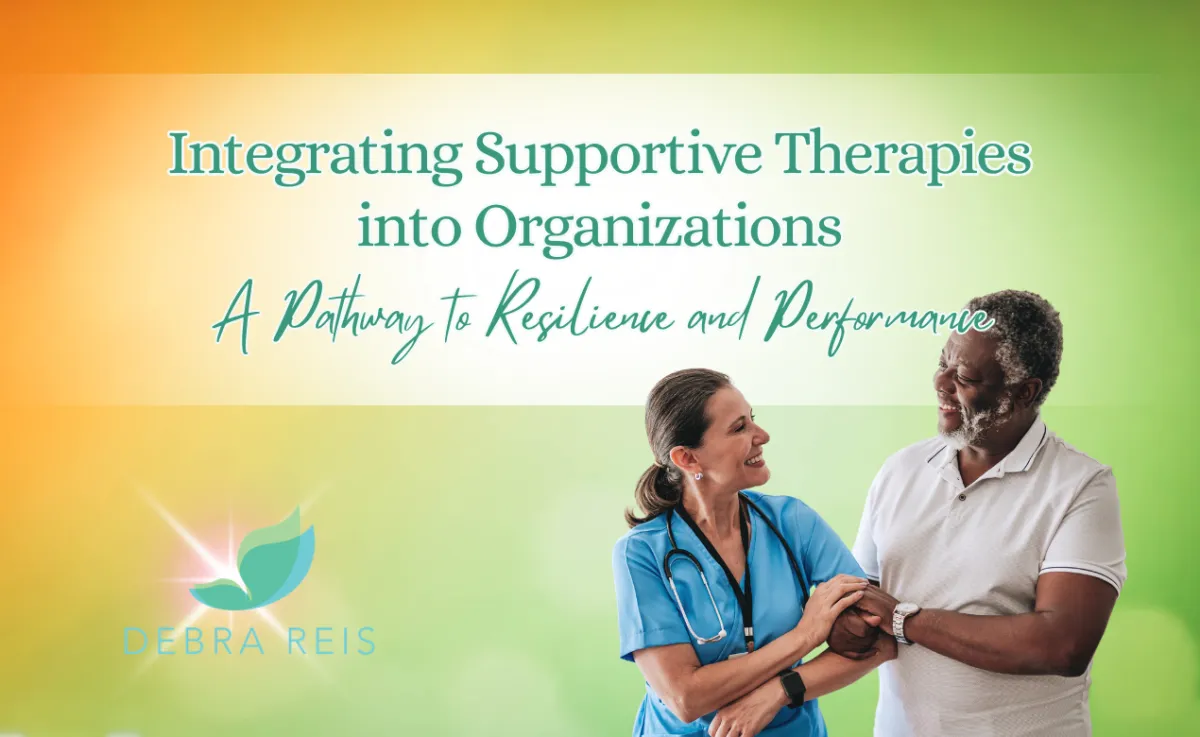
Integrating Supportive Therapies into Organizations: A Pathway to Resilience and Performance
Burnout, turnover, and emotional exhaustion are no longer isolated concerns in healthcare and helping professions. They are signs of a system under strain. Teams are carrying more responsibility, more emotional weight, and more pressure than ever before. In response, organizations continue searching for solutions that improve retention, strengthen team performance, and rebuild morale.
One of the most meaningful pathways forward is the intentional integration of supportive therapies into the workplace.
This is the focus of my latest Energy Magazine article, “Integrating Supportive Therapies into Organizations: A Pathway to Resilience and Performance.” It reflects what I have seen firsthand: when organizations create space for simple, practical integrative therapies, they do more than help individuals relax. They strengthen the team's culture.
Why supportive therapies matter in organizations

Supportive therapies such as relaxation techniques, aromatherapy, and gentle movement are sometimes viewed as extras or occasional wellness add-ons. In reality, they can become highly practical tools for everyday regulation, restoration, and connection.
When implemented intentionally, these therapies can help:
reduce stress and emotional fatigue
improve staff communication and team cohesion
support resilience during demanding workdays
create moments of restoration in real time
reinforce a sense of being valued and supported
contribute to lower burnout and reduced turnover
What makes these approaches so powerful is their simplicity. Many can be used in five minutes or less, making them realistic even in fast-paced, high-pressure environments.
What this looks like in practice
Supportive therapies can be integrated into organizations in ways that feel natural, accessible, and sustainable. For example:
Aromatherapy on tissue can offer quick stress relief during busy or emotionally intense shifts.
Healing Touch or energy therapy can support staff self-care while also enhancing patient-centered healing experiences.
Guided breathing and relaxation practices can be used before meetings, during shift huddles, or after difficult encounters to help regulate the nervous system.
Gentle movement techniques can release physical tension, refresh the mind, and strengthen connection through shared experience.
These are not abstract ideas. They are practical interventions that can be woven into the daily rhythm of care and leadership.
Why does this improve performance?
Resilience and performance are deeply connected. When staff are overwhelmed, disconnected, or depleted, communication suffers, morale declines, and the risk of burnout increases. When staff feel calmer, more supported, and more connected to one another, they are better able to think clearly, collaborate effectively, and remain present in their work.
Supportive therapies help create that shift.
They remind teams that well-being is not a luxury. It is part of how a healthy organization functions. In many ways, it becomes the foundation for stronger performance, better communication, and more sustainable leadership.
The deeper message
When an organization introduces supportive therapies, it communicates something essential:
You matter.
Your nervous system matters.
Your humanity matters.
That message alone can begin to rebuild trust and restore a sense of belonging.
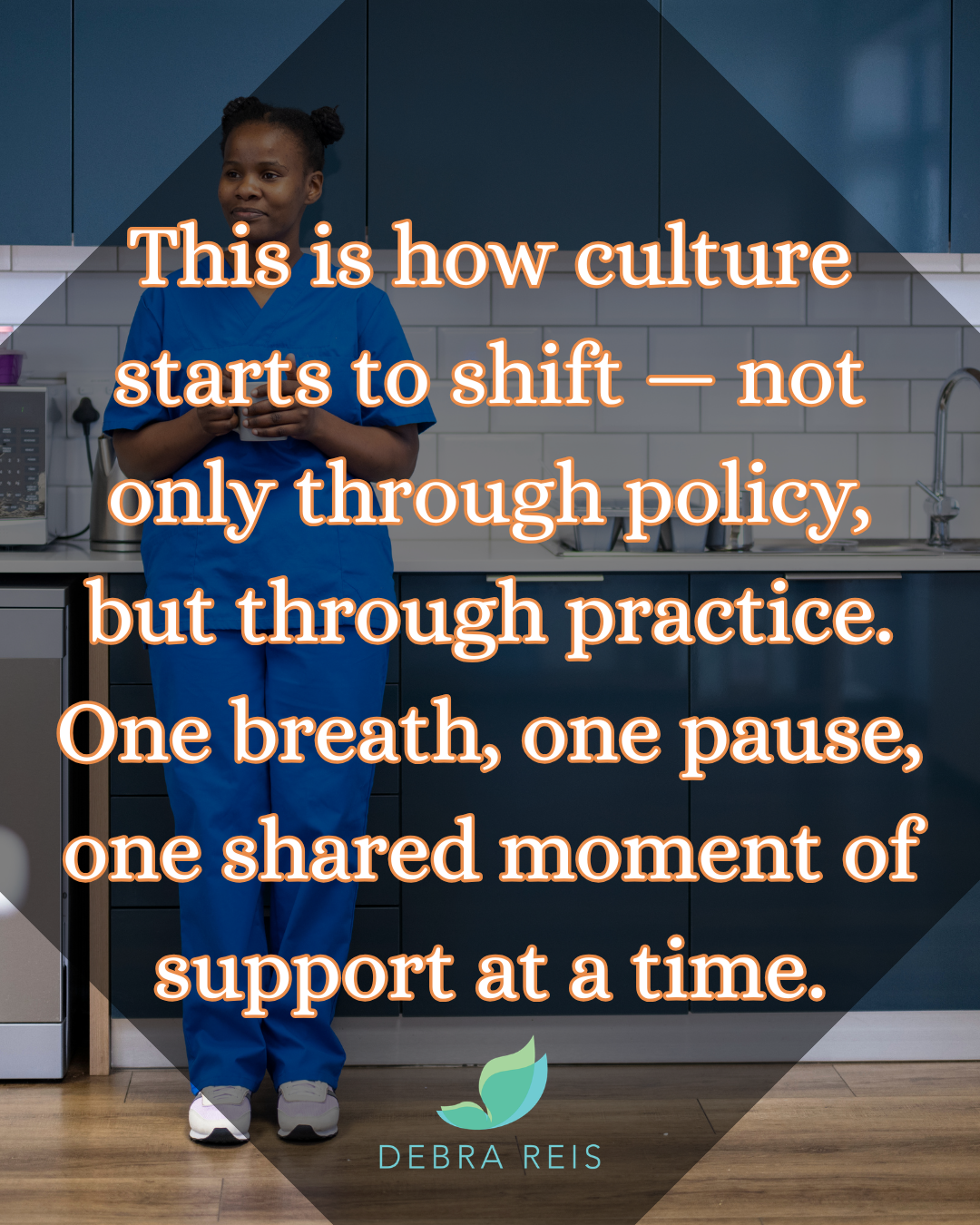
This is how culture starts to shift — not only through policy, but through practice. One breath, one pause, one shared moment of support at a time.
Moving forward
If we truly want to reduce burnout and turnover, we must think beyond short-term fixes. We need practical, human-centered strategies that help people regulate stress, reconnect with purpose, and feel supported within the systems they serve.
Supportive therapies offer that possibility.
They are not just tools for relaxation. They are pathways to stronger teams, healthier workplaces, and more sustainable performance.
👉 Read the full article in Energy Magazine:
Integrating Supportive Therapies into Organizations: A Pathway to Resilience and Performance
If this topic speaks to you, I’d love to hear how your organization is addressing staff well-being, resilience, and team cohesion.


Follow Us


Follow Us
Integrating Supportive Therapies into Organizations: A Pathway to Resilience and Performance
Burnout, turnover, and emotional exhaustion are no longer isolated concerns in healthcare and helping professions. They are signs of a system under strain. Teams are carrying more responsibility, more emotional weight, and more pressure than ever before. In response, organizations continue searching for solutions that improve retention, strengthen team performance, and rebuild morale.
One of the most meaningful pathways forward is the intentional integration of supportive therapies into the workplace.
This is the focus of my latest Energy Magazine article, “Integrating Supportive Therapies into Organizations: A Pathway to Resilience and Performance.” It reflects what I have seen firsthand: when organizations create space for simple, practical integrative therapies, they do more than help individuals relax. They strengthen the team's culture.
Why supportive therapies matter in organizations
Supportive therapies such as relaxation techniques, aromatherapy, and gentle movement are sometimes viewed as extras or occasional wellness add-ons. In reality, they can become highly practical tools for everyday regulation, restoration, and connection.
When implemented intentionally, these therapies can help:
reduce stress and emotional fatigue
improve staff communication and team cohesion
support resilience during demanding workdays
create moments of restoration in real time
reinforce a sense of being valued and supported
contribute to lower burnout and reduced turnover
What makes these approaches so powerful is their simplicity. Many can be used in five minutes or less, making them realistic even in fast-paced, high-pressure environments.
What this looks like in practice
Supportive therapies can be integrated into organizations in ways that feel natural, accessible, and sustainable. For example:
Aromatherapy on tissue can offer quick stress relief during busy or emotionally intense shifts.
Healing Touch or energy therapy can support staff self-care while also enhancing patient-centered healing experiences.
Guided breathing and relaxation practices can be used before meetings, during shift huddles, or after difficult encounters to help regulate the nervous system.
Gentle movement techniques can release physical tension, refresh the mind, and strengthen connection through shared experience.
These are not abstract ideas. They are practical interventions that can be woven into the daily rhythm of care and leadership.
Why does this improve performance?
Resilience and performance are deeply connected. When staff are overwhelmed, disconnected, or depleted, communication suffers, morale declines, and the risk of burnout increases. When staff feel calmer, more supported, and more connected to one another, they are better able to think clearly, collaborate effectively, and remain present in their work.
Supportive therapies help create that shift.
They remind teams that well-being is not a luxury. It is part of how a healthy organization functions. In many ways, it becomes the foundation for stronger performance, better communication, and more sustainable leadership.
The deeper message
When an organization introduces supportive therapies, it communicates something essential:
You matter.
Your nervous system matters.
Your humanity matters.
That message alone can begin to rebuild trust and restore a sense of belonging.
This is how culture starts to shift — not only through policy, but through practice. One breath, one pause, one shared moment of support at a time.
Moving forward
If we truly want to reduce burnout and turnover, we must think beyond short-term fixes. We need practical, human-centered strategies that help people regulate stress, reconnect with purpose, and feel supported within the systems they serve.
Supportive therapies offer that possibility.
They are not just tools for relaxation. They are pathways to stronger teams, healthier workplaces, and more sustainable performance.
👉 Read the full article in Energy Magazine:
Integrating Supportive Therapies into Organizations: A Pathway to Resilience and Performance
If this topic speaks to you, I’d love to hear how your organization is addressing staff well-being, resilience, and team cohesion.