BLOG
Supportive Therapies For Better Outcomes — Enrich Your Life Through Relaxation Techniques, Aromatherapy, and Gentle Movement.

5 Ways Integrative Therapies Can Thrive Inside Healthcare and Business Organizations
Burnout, emotional fatigue, and disengagement are no longer isolated challenges, they are system-wide issues affecting healthcare organizations, businesses, and the people they serve. Nurses, caregivers, leaders, and employees alike are being asked to do more with less, often at the cost of their own well-being.
Integrative therapies such as gentle movement, relaxation techniques, aromatherapy, and energy-based practices offer meaningful support. Yet their success depends not just on what we offer, but how we bring these therapies into complex environments.
Why Integrative Therapies Are a Systems Solution
Research in stress physiology and nervous system regulation shows that chronic stress impacts focus, emotional resilience, communication, and overall performance. Integrative therapies help by supporting regulation, recovery, and connection, key factors in reducing burnout and strengthening teams.
When integrated thoughtfully, these practices become:
Preventative tools rather than crisis interventions
Supports for both employees and clients or patients
Pathways to improved morale, retention, and cohesion
The key is strategic integration, not add-on programming.
Five Strategies for Bringing Integrative Therapies into Organizations
1. Start with Real Pain Points
Successful integration begins by listening. What is the organization struggling with—burnout, turnover, disengagement, high stress, or emotional fatigue? When integrative therapies are framed as solutions to clearly identified challenges, they are more readily embraced.
2. Use Brief, Repeatable Micro-Practices
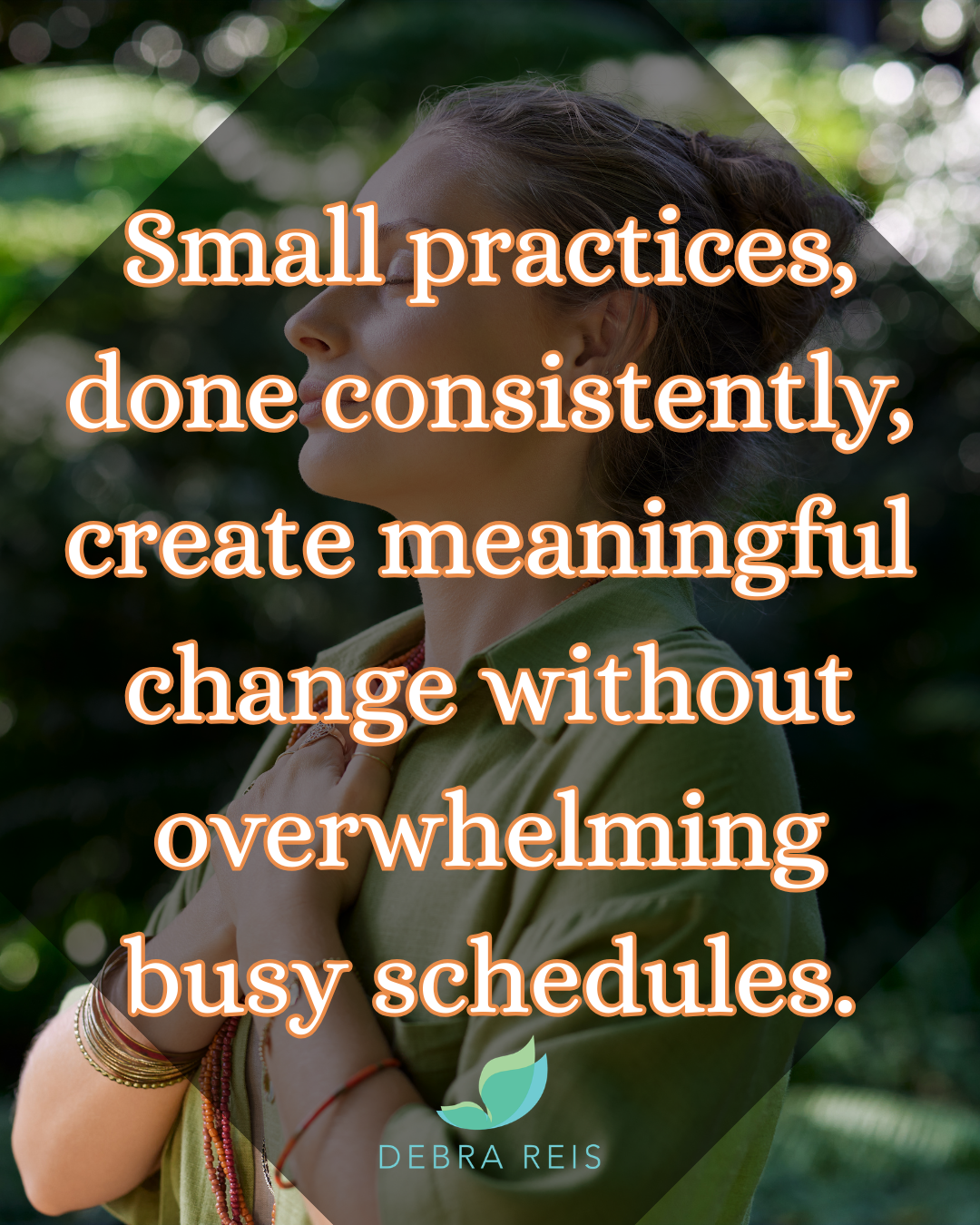
Time is often the greatest barrier. Five-minute practices such as seated movement, breathing resets, or sensory cues are realistic, effective, and easy to repeat. Small practices, done consistently, create meaningful change without overwhelming busy schedules.
3. Empower Internal Champions
Sustainable programs are led from within. Nurses, managers, therapists, or team leads who believe in the value of integrative care can model practices, normalize participation, and sustain momentum. External facilitators support best by equipping these champions.
4. Embed Practices into Existing Structures
The most successful initiatives don’t add more to the day; they fit into what already exists. Integrative therapies can be woven into meetings, shift changes, orientation programs, group sessions, or wellness initiatives, becoming part of the organizational culture.
5. Build Credibility Through Small Wins
Pilot programs, simple feedback, and visible improvements in engagement or morale build trust. Organizations don’t need complex data to see value, they need to feel the difference.

The Bigger Impact
When integrative therapies are integrated thoughtfully, organizations benefit from:
Reduced burnout and emotional exhaustion
Improved resilience and self-regulation
Stronger team connection and communication
Higher retention and engagement
Integrative care doesn’t need more time, it needs the right pathway.


Follow Us


Follow Us
5 Ways Integrative Therapies Can Thrive Inside Healthcare and Business Organizations
Burnout, emotional fatigue, and disengagement are no longer isolated challenges, they are system-wide issues affecting healthcare organizations, businesses, and the people they serve. Nurses, caregivers, leaders, and employees alike are being asked to do more with less, often at the cost of their own well-being.
Integrative therapies such as gentle movement, relaxation techniques, aromatherapy, and energy-based practices offer meaningful support. Yet their success depends not just on what we offer, but how we bring these therapies into complex environments.
Why Integrative Therapies Are a Systems Solution
Research in stress physiology and nervous system regulation shows that chronic stress impacts focus, emotional resilience, communication, and overall performance. Integrative therapies help by supporting regulation, recovery, and connection, key factors in reducing burnout and strengthening teams.
When integrated thoughtfully, these practices become:
Preventative tools rather than crisis interventions
Supports for both employees and clients or patients
Pathways to improved morale, retention, and cohesion
The key is strategic integration, not add-on programming.
Five Strategies for Bringing Integrative Therapies into Organizations
1. Start with Real Pain Points
Successful integration begins by listening. What is the organization struggling with—burnout, turnover, disengagement, high stress, or emotional fatigue? When integrative therapies are framed as solutions to clearly identified challenges, they are more readily embraced.
2. Use Brief, Repeatable Micro-Practices
Time is often the greatest barrier. Five-minute practices such as seated movement, breathing resets, or sensory cues are realistic, effective, and easy to repeat. Small practices, done consistently, create meaningful change without overwhelming busy schedules.
3. Empower Internal Champions
Sustainable programs are led from within. Nurses, managers, therapists, or team leads who believe in the value of integrative care can model practices, normalize participation, and sustain momentum. External facilitators support best by equipping these champions.
4. Embed Practices into Existing Structures
The most successful initiatives don’t add more to the day; they fit into what already exists. Integrative therapies can be woven into meetings, shift changes, orientation programs, group sessions, or wellness initiatives, becoming part of the organizational culture.
5. Build Credibility Through Small Wins
Pilot programs, simple feedback, and visible improvements in engagement or morale build trust. Organizations don’t need complex data to see value, they need to feel the difference.
The Bigger Impact
When integrative therapies are integrated thoughtfully, organizations benefit from:
Reduced burnout and emotional exhaustion
Improved resilience and self-regulation
Stronger team connection and communication
Higher retention and engagement
Integrative care doesn’t need more time, it needs the right pathway.