BLOG
Supportive Therapies For Better Outcomes — Enrich Your Life Through Relaxation Techniques, Aromatherapy, and Gentle Movement.

Elevate the Experience: Becoming the Voice Healthcare Needs
Recently, I had the privilege of participating in the One Event – Elevate the Experience, where I joined a panel discussion focused on an issue that affects every healthcare organization today: supporting the well-being of healthcare providers while maintaining excellence in patient care.
The discussion brought together leaders, clinicians, and advocates who share a common goal: creating healthcare environments where both caregivers and patients can thrive.
As we explored practical strategies to reduce burnout, build resilience, and strengthen team cohesiveness, one message emerged clearly:
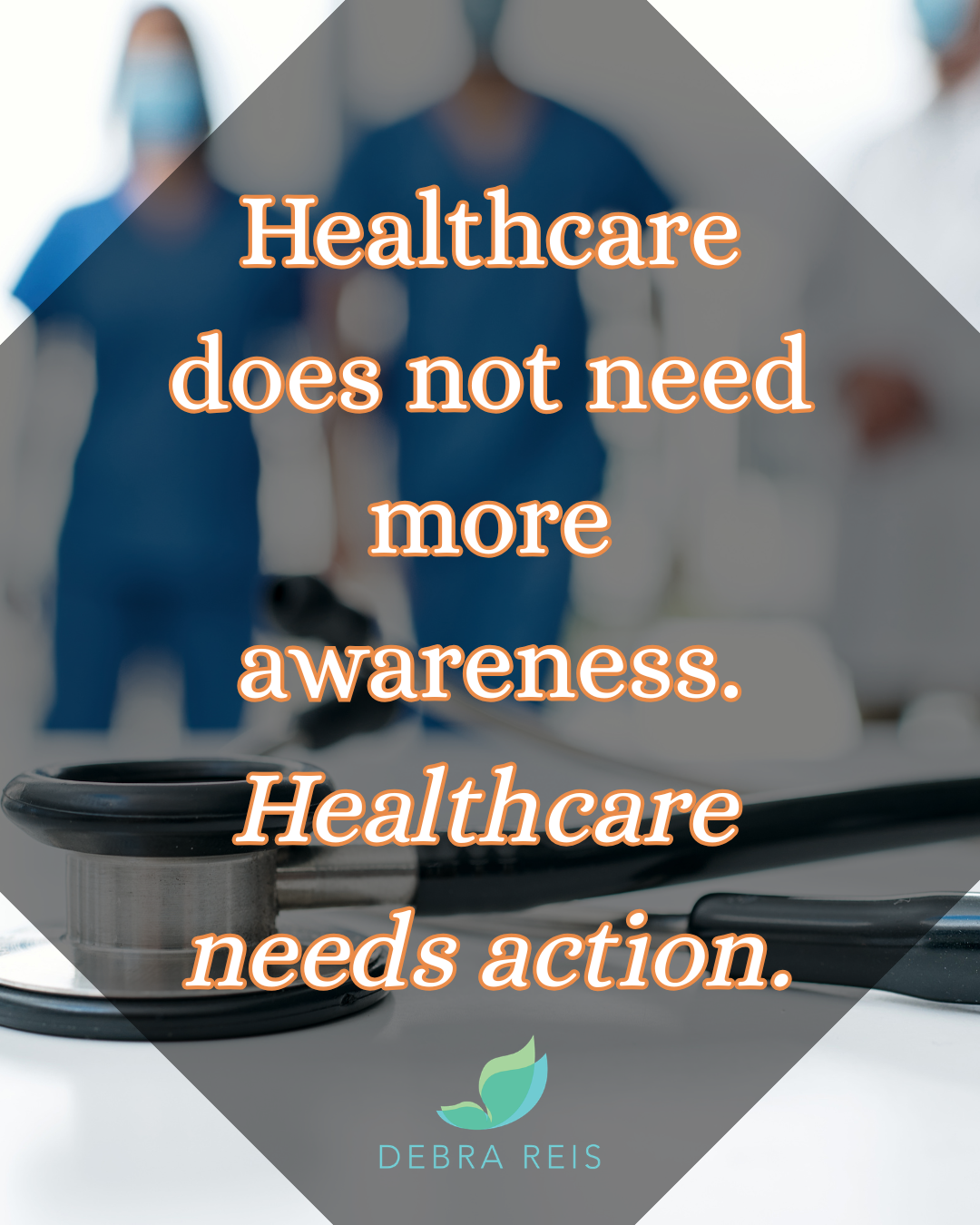
Healthcare does not need more awareness. Healthcare needs action.
We know burnout exists.
We know turnover is costly.
We know moral distress and moral injury are affecting clinicians across every specialty.
The evidence is clear. The stories are everywhere. The impact is undeniable.
The question is no longer whether these challenges exist. The question is what we are willing to do about them.
Finding Our Voice
As healthcare professionals, we are taught from the beginning of our careers to advocate for our patients. We learn to speak up when something isn't right. We learn to protect, support, and care for those entrusted to us.
Yet many healthcare professionals struggle to advocate for themselves and their colleagues.
Some worry they will be perceived as weak. Others believe stress and exhaustion are simply part of the job. Many have worked in environments where asking for support feels impossible.
Over time, this silence comes at a cost.
Being the voice for healthcare providers means recognizing that caring for the caregiver is not a luxury, it is essential to sustaining a healthy workforce.
It means creating environments where nurses and healthcare professionals feel supported, valued, and empowered to bring their whole selves to work.
It means moving beyond conversations about wellness and into cultures that actively support it.
Most importantly, it means understanding that resilience is not something individuals must develop alone. Organizations, leaders, and teams all play a role in creating conditions where resilience can flourish.
Lessons from the Front Lines
Throughout my nursing career, I have witnessed extraordinary acts of compassion, courage, and commitment.
I have also witnessed the hidden toll that healthcare can take when support is absent.
In Restoring the Heart of Healthcare, I share stories of nurses who continued caring for others while quietly carrying emotional burdens of grief, trauma, staffing shortages, and overwhelming workloads.
I remember teams who experienced difficult patient losses and were expected to move on immediately to the next task.
I remember healthcare professionals who felt unseen despite giving everything they had to their patients.
I remember leaders who genuinely cared but lacked the tools or systems needed to support their teams effectively.
What I learned from these experiences is that burnout rarely happens overnight.
More often, it is the result of hundreds of moments when stress outweighs restoration.
The encouraging news is that healing often happens in much the same way.
One breath.
One supportive conversation.
One moment of presence.One small practice repeated consistently.
These moments may seem insignificant, but over time they become the foundation for resilience.
Practical Tools That Make a Difference
During the panel discussion, I shared simple techniques that healthcare professionals can use in real time, tools that require little time but can create meaningful shifts in well-being.
Relaxation Techniques
Intentional breathing, guided imagery, and brief mindfulness practices can help regulate the nervous system within minutes.
A single intentional breath before entering a patient's room can change the quality of the interaction that follows.
A short pause between difficult conversations can help clinicians reset and refocus.
Aromatherapy
Simple inhalation techniques using essential oils can provide quick support for stress reduction, focus, and emotional balance.
Whether used during a shift, before a meeting, or as part of a team wellness initiative, aromatherapy offers a practical way to create moments of calm in demanding environments.
Gentle Movement
Micro-movements performed throughout the day can reduce physical tension, improve circulation, and refresh mental clarity.
Simple stretches, shoulder rolls, or movement breaks help release accumulated stress while improving energy and focus.
These tools may seem small, but small actions create meaningful change when practiced consistently.
This philosophy forms the foundation of the I-S.T.E.P.™ framework—Integrative Supportive Therapy Engagement Program—which was designed to provide healthcare professionals with practical tools that can be integrated into everyday life and work.

Teams Regulate Together
One of the most powerful observations from my work in healthcare is this:
Teams regulate together.
When one person pauses to take a breath, others notice.
When leaders model healthy behaviors, teams feel permission to do the same.
When resilience practices become part of the workflow rather than another task added to an already full day, culture begins to shift.
I have seen this firsthand.
I have watched organizations introduce wellness tools only to discover that awareness alone is not enough. The real transformation occurred when leaders intentionally integrated those tools into daily practice.
The difference was not the tool itself.
The difference was consistency.
Team cohesiveness is built through everyday interactions, not annual retreats or occasional wellness initiatives.
It is created one conversation, one check-in, one act of support, and one shared experience at a time.
For more information, let’s do a discovery call and discuss strategies for you and your team.
Click here to schedule your call!

Follow Us


Follow Us
Elevate the Experience: Becoming the Voice Healthcare Needs
Recently, I had the privilege of participating in the One Event – Elevate the Experience, where I joined a panel discussion focused on an issue that affects every healthcare organization today: supporting the well-being of healthcare providers while maintaining excellence in patient care.
The discussion brought together leaders, clinicians, and advocates who share a common goal: creating healthcare environments where both caregivers and patients can thrive.
As we explored practical strategies to reduce burnout, build resilience, and strengthen team cohesiveness, one message emerged clearly:
Healthcare does not need more awareness. Healthcare needs action.
We know burnout exists.
We know turnover is costly.
We know moral distress and moral injury are affecting clinicians across every specialty.
The evidence is clear. The stories are everywhere. The impact is undeniable.
The question is no longer whether these challenges exist. The question is what we are willing to do about them.
Finding Our Voice
As healthcare professionals, we are taught from the beginning of our careers to advocate for our patients. We learn to speak up when something isn't right. We learn to protect, support, and care for those entrusted to us.
Yet many healthcare professionals struggle to advocate for themselves and their colleagues.
Some worry they will be perceived as weak. Others believe stress and exhaustion are simply part of the job. Many have worked in environments where asking for support feels impossible.
Over time, this silence comes at a cost.
Being the voice for healthcare providers means recognizing that caring for the caregiver is not a luxury, it is essential to sustaining a healthy workforce.
It means creating environments where nurses and healthcare professionals feel supported, valued, and empowered to bring their whole selves to work.
It means moving beyond conversations about wellness and into cultures that actively support it.
Most importantly, it means understanding that resilience is not something individuals must develop alone. Organizations, leaders, and teams all play a role in creating conditions where resilience can flourish.
Lessons from the Front Lines
Throughout my nursing career, I have witnessed extraordinary acts of compassion, courage, and commitment.
I have also witnessed the hidden toll that healthcare can take when support is absent.
In Restoring the Heart of Healthcare, I share stories of nurses who continued caring for others while quietly carrying emotional burdens of grief, trauma, staffing shortages, and overwhelming workloads.
I remember teams who experienced difficult patient losses and were expected to move on immediately to the next task.
I remember healthcare professionals who felt unseen despite giving everything they had to their patients.
I remember leaders who genuinely cared but lacked the tools or systems needed to support their teams effectively.
What I learned from these experiences is that burnout rarely happens overnight.
More often, it is the result of hundreds of moments when stress outweighs restoration.
The encouraging news is that healing often happens in much the same way.
One breath.
One supportive conversation.
One moment of presence.One small practice repeated consistently.
These moments may seem insignificant, but over time they become the foundation for resilience.
Practical Tools That Make a Difference
During the panel discussion, I shared simple techniques that healthcare professionals can use in real time, tools that require little time but can create meaningful shifts in well-being.
Relaxation Techniques
Intentional breathing, guided imagery, and brief mindfulness practices can help regulate the nervous system within minutes.
A single intentional breath before entering a patient's room can change the quality of the interaction that follows.
A short pause between difficult conversations can help clinicians reset and refocus.
Aromatherapy
Simple inhalation techniques using essential oils can provide quick support for stress reduction, focus, and emotional balance.
Whether used during a shift, before a meeting, or as part of a team wellness initiative, aromatherapy offers a practical way to create moments of calm in demanding environments.
Gentle Movement
Micro-movements performed throughout the day can reduce physical tension, improve circulation, and refresh mental clarity.
Simple stretches, shoulder rolls, or movement breaks help release accumulated stress while improving energy and focus.
These tools may seem small, but small actions create meaningful change when practiced consistently.
This philosophy forms the foundation of the I-S.T.E.P.™ framework—Integrative Supportive Therapy Engagement Program—which was designed to provide healthcare professionals with practical tools that can be integrated into everyday life and work.
Teams Regulate Together
One of the most powerful observations from my work in healthcare is this:
Teams regulate together.
When one person pauses to take a breath, others notice.
When leaders model healthy behaviors, teams feel permission to do the same.
When resilience practices become part of the workflow rather than another task added to an already full day, culture begins to shift.
I have seen this firsthand.
I have watched organizations introduce wellness tools only to discover that awareness alone is not enough. The real transformation occurred when leaders intentionally integrated those tools into daily practice.
The difference was not the tool itself.
The difference was consistency.
Team cohesiveness is built through everyday interactions, not annual retreats or occasional wellness initiatives.
It is created one conversation, one check-in, one act of support, and one shared experience at a time.
For more information, let’s do a discovery call and discuss strategies for you and your team.