BLOG
Supportive Therapies For Better Outcomes — Enrich Your Life Through Relaxation Techniques, Aromatherapy, and Gentle Movement.
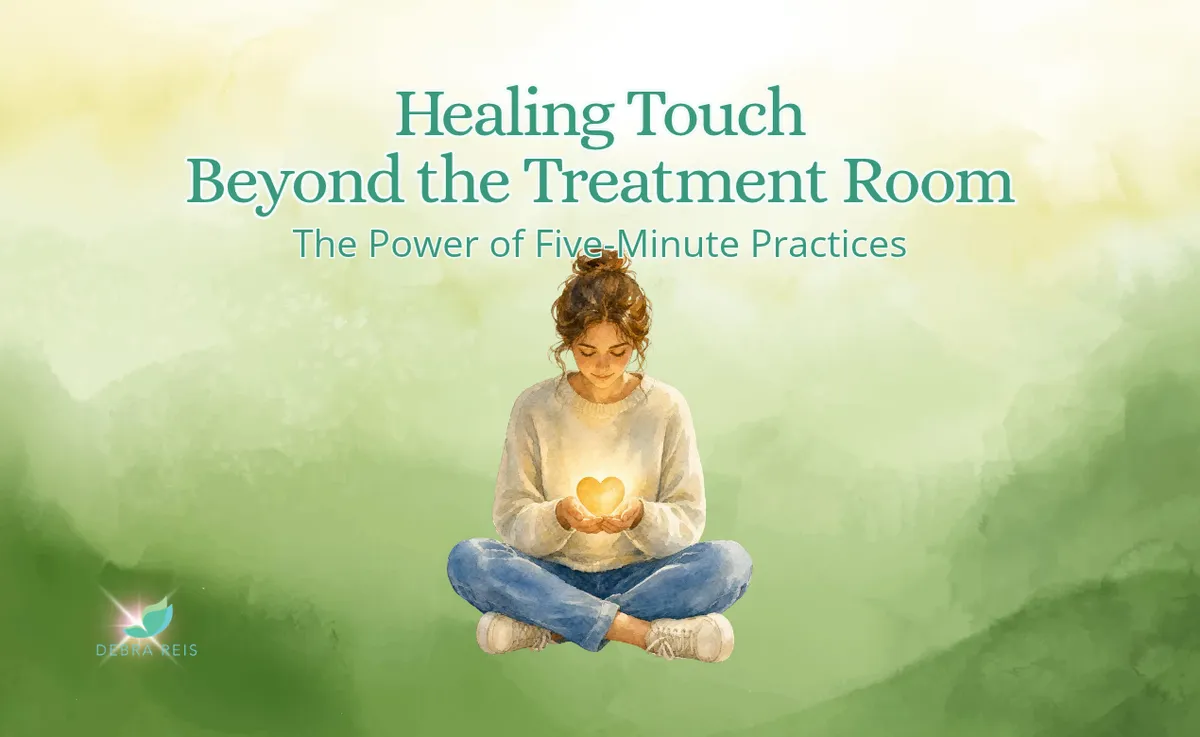
Healing Touch Beyond the Treatment Room: The Power of Five-Minute Practices
Bringing healing presence into everyday life
When we think about Healing Touch, we often picture a peaceful environment, a treatment table, and a practitioner offering an intentional, heart-centered session.
These experiences can be deeply meaningful. But what if we expanded our thinking?
What if Healing Touch wasn't something we practiced only during a session, but something we integrated into how we live, work, lead, and care for others?
Throughout my nursing career and years teaching integrative therapies, I've found that some of the most meaningful moments of connection happen outside traditional healing environments.
Consider these everyday situations:
A nurse taking a calming breath before entering a patient's room.
A caregiver placing a gentle hand on a loved one's shoulder.
A Healing Touch practitioner pausing to ground and center between clients.
A healthcare leader taking two minutes to become present before a difficult conversation.
These moments may seem small, but they matter.
Healing presence is not limited to what we do during a session. It can become part of how we live.
This is the inspiration behind my presentation, Healing Touch in Action: 5-Minute Practices for Real-World Care, at the 2026 Healing Touch Professional Association (HTPA) Virtual Conference, November 7–8.
I'll be presenting on Sunday, November 8, and I'm excited to share practical ways to bring Healing Touch principles into everyday life.
Healing Touch Is More Than a Technique
Healing Touch is an energy-based approach that uses intentional, heart-centered touch to support relaxation, comfort, and whole-person well-being.
While specific techniques are an important part of Healing Touch education and practice, the underlying principles extend far beyond individual sessions.
These principles include:
Presence: Being fully engaged in the moment.
Compassion: Approaching ourselves and others with kindness and understanding.
Intention: Becoming conscious of the purpose behind our actions.
Centering and grounding: Connecting with ourselves and the present moment.
Self-awareness: Recognizing our own physical, emotional, mental, and energetic needs.
Connection: Honoring our relationships with others and the environments around us.
These qualities influence how we communicate, respond to stress, support others, and care for ourselves.
They remind us of something I believe is especially important in healthcare and healing professions:
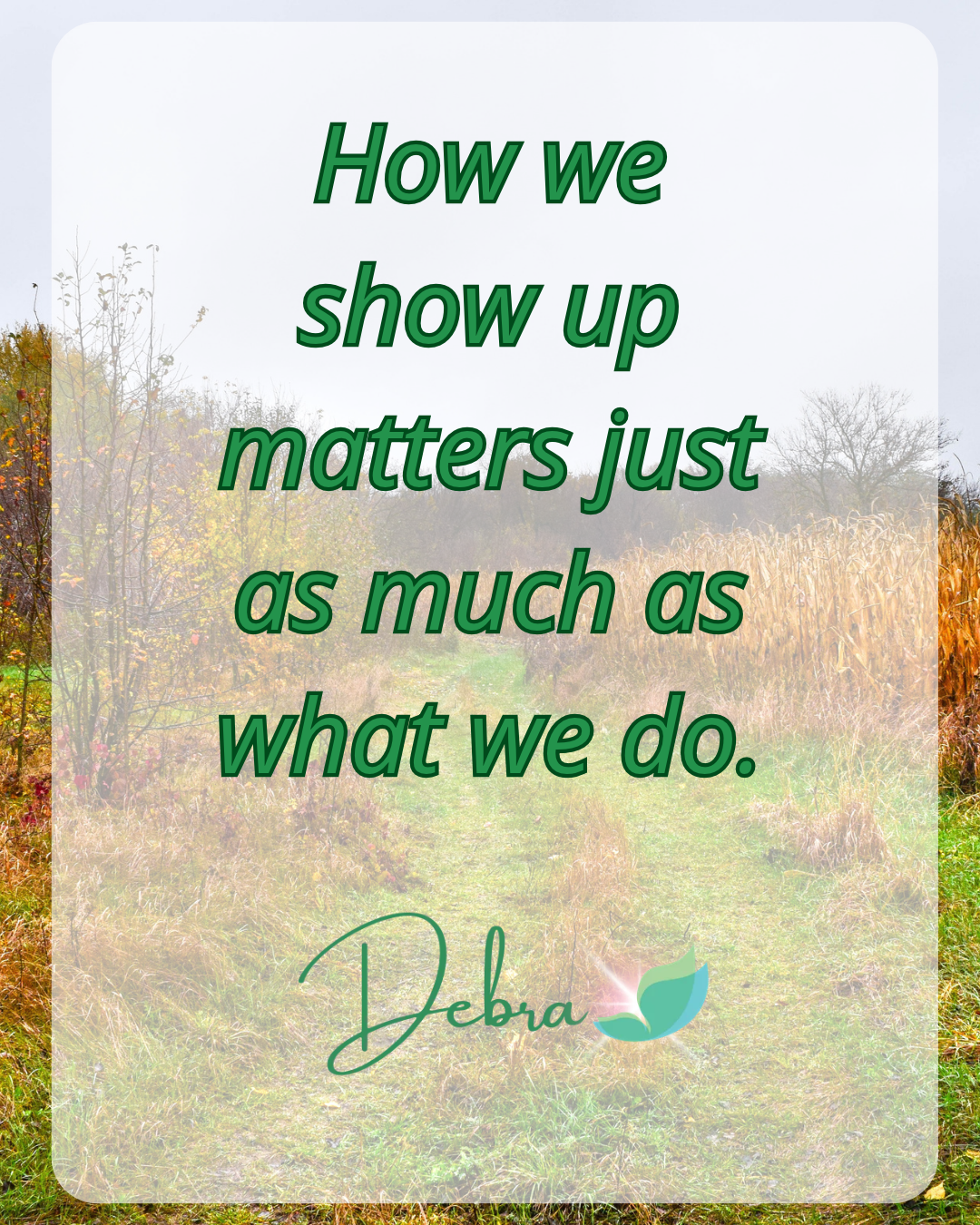
How we show up matters just as much as what we do.
Where Can Five Minutes Make a Difference?
One of the most common challenges I hear from healthcare professionals, caregivers, and Healing Touch practitioners is the lack of time for self-care.
Our days are filled with responsibilities, commitments, and others' needs.
But what if we stopped thinking about self-care as something that must happen separately from our daily activities?
What if we began integrating small, intentional moments into what we're already doing?
Think about the possibilities.
At home: Before starting your day, take a few moments to center yourself, breathe, and set an intention. How do you want to show up for yourself and your family today?
In healthcare: Before entering a patient's room, pause. Notice your breathing, relax your shoulders, and bring your awareness to the present moment. This simple practice can help you approach the interaction with greater intention.
In private practice: Between Healing Touch sessions, take a few minutes to reconnect with yourself. Gentle movement, grounding, and intentional breathing can help you transition between clients.
While caregiving: Offer a quiet moment of connection. A comforting touch, when welcomed, or a shared breathing practice can create calm and reassurance.
At work: Before a meeting or difficult conversation, take two minutes to become grounded. Notice your thoughts, soften tension, and consider how you want to respond, not react.
These practices don't require special equipment or complicated preparation. They simply require awareness and intention–and that's where meaningful change can begin.
Three Ways to Bring Healing Touch Into Everyday Care
In developing my I-S.T.E.P.™ (Integrative Supportive Therapy Engagement Program), I've focused on helping individuals and organizations integrate practical supportive therapies into everyday life.
The program incorporates three pillars: relaxation techniques, aromatherapy, and gentle movement.
Each complements Healing Touch's foundational principles and offers opportunities for meaningful self-care.
1. Relaxation and Heart-Centered Awareness
One of the simplest ways to begin is through intentional breathing and heart-centered awareness.
Try this brief practice:
Sit or stand comfortably with your feet supported.
Take several slow, comfortable breaths.
Relax your shoulders and soften your jaw.
Bring your awareness to your heart.
Set a simple intention: "May I be fully present in this moment."
Notice how you feel. The purpose isn't to create a perfect state of calm. It's to become more aware of yourself and how you want to show up.
2. Aromatherapy and Healing Presence
Our sense of smell is closely connected to the brain areas involved in emotion and memory.
For many people, a pleasant aroma can become a familiar cue for relaxation and intentional self-care.
For example, you may use an appropriately selected essential oil, such as lavender, on an aroma tissue as part of a personal centering practice.
Pair the aroma with several comfortable breaths. Bring awareness to your heart. Set an intention for your day or upcoming interaction.
You might quietly reflect:
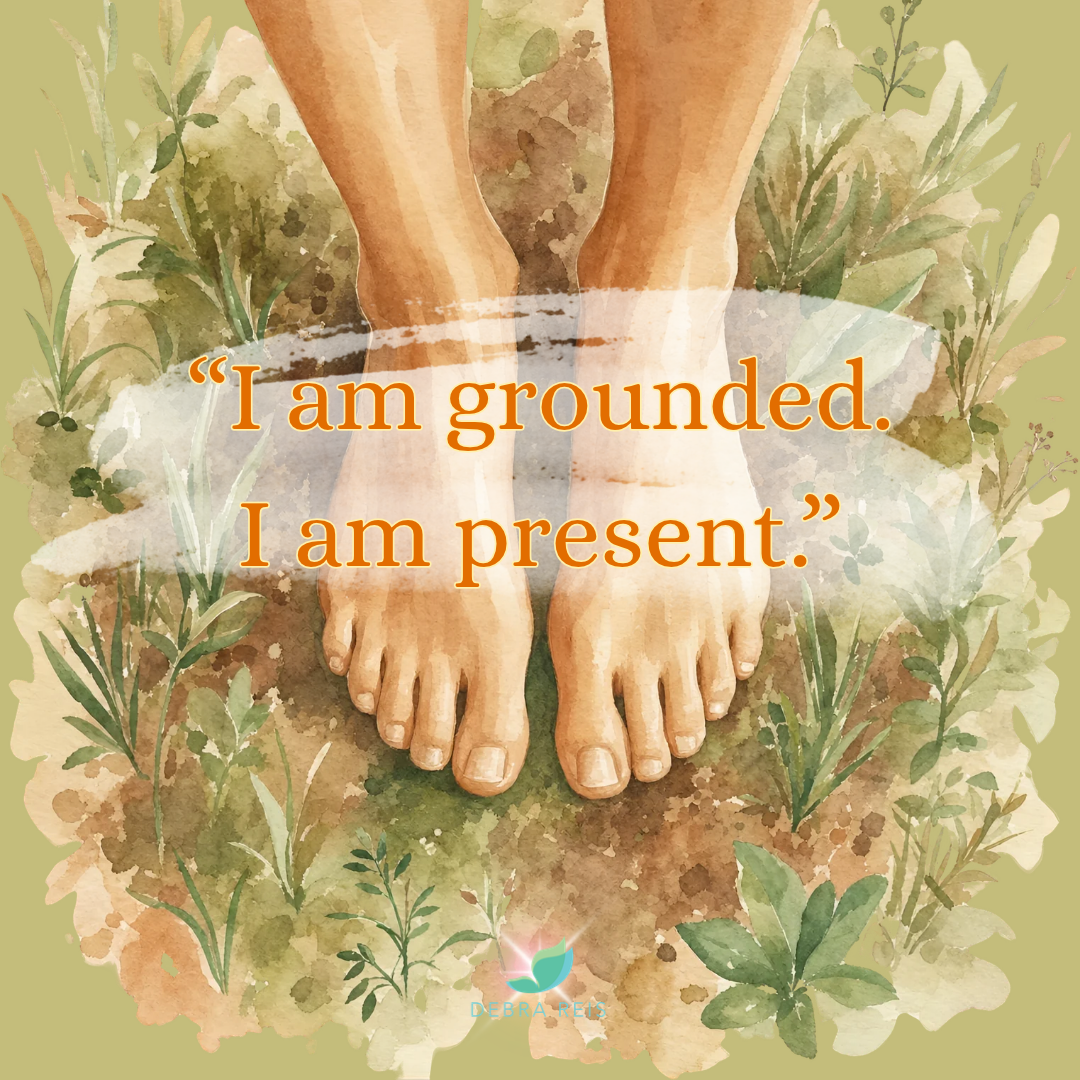
"I am grounded. I am present."
The goal isn't to add another complicated routine, it's to create a sensory reminder to pause, reconnect, and become intentional.
When incorporating aromatherapy into clinical or shared environments, consider individual preferences, sensitivities, facility policies, and safety guidelines.
3. Gentle Movement for Energetic Renewal
Our bodies are designed for movement.
Yet when we're stressed, overwhelmed, or focused on caring for others, we often neglect movement first. Think about how your body feels after sitting for a long time, finishing a demanding session, or getting through a stressful day.
Perhaps your shoulders are tight. Your breathing feels shallow. Your energy feels depleted. A few minutes of gentle movement can help you reconnect.
Try rolling your shoulders, stretching your hands, moving your ankles, or gently shifting your weight from side to side.
For Healing Touch practitioners, these movements can become part of an intentional transition between clients.
A few minutes of movement can help release everyday tension, refresh awareness, and create space for renewal.
Caring for the Practitioner Matters, Too
One of the most important lessons I've learned throughout my nursing and integrative wellness career is that those who care for others must also nurture their own well-being.
Healing professionals often spend significant time focusing on others' needs.
We listen. We support. We offer compassionate care. But how often do we pause to recognize our own needs?
Sometimes depletion shows up as physical exhaustion. Other times, it appears as irritability, difficulty concentrating, emotional fatigue, or a growing sense of disconnection. These are important signals. Our bodies and minds are communicating.
Five-minute practices can help us notice these signals and respond with intention. However, they are not substitutes for adequate rest, healthy boundaries, supportive relationships, or organizational responsibility for creating healthy work environments. Rather, they are practical tools that can complement a broader approach to whole-person well-being.
The goal isn't simply to recover enough to keep going. It's to develop sustainable practices that help us live and work with greater balance.
From Learning Healing Touch to Living Healing Touch
Perhaps one of the greatest opportunities for Healing Touch practitioners is recognizing that their knowledge and awareness can influence far more than a traditional session.
We can bring Healing Touch principles into our homes. Our workplaces. Our relationships. Our communities.
We can model presence. We can offer compassion. We can encourage moments of calm. We can help others discover simple ways to reconnect with themselves.
And perhaps most importantly, we can demonstrate that supporting well-being doesn't always require more time, more resources, or more complicated techniques. Sometimes it begins with a single intentional moment.
When we move from simply practicing Healing Touch to living its principles, we create more opportunities for meaningful connection and compassionate care.
Join Me at the 2026 HTPA Virtual Conference
I'm delighted to be joining an inspiring group of Healing Touch practitioners, educators, researchers, and business professionals at the 2026 Healing Touch Professional Association Virtual Conference.
Conference Details
Dates: November 7–8, 2026
Time: 11 a.m.–5 p.m. Central Time
Format: Live online, with recordings available
I'll be presenting on Sunday, November 8, Healing Touch in Action: 5-Minute Practices for Real-World Care
During this presentation, we'll explore practical ways to integrate Healing Touch principles into personal self-care, professional practice, and everyday interactions.
We'll look at how heart-centered awareness, relaxation, aromatherapy, and gentle movement can complement Healing Touch and support whole-person well-being.
The conference also offers presentations on intuition, nervous system regulation, Healing Touch research, professional development, and building a sustainable Healing Touch practice.
Whether you're an experienced practitioner or interested in expanding how you apply Healing Touch principles, this is an opportunity to learn, connect, and grow.
Learn More and Register for the 2026 HTPA Virtual Conference


Follow Us


Follow Us
Healing Touch Beyond the Treatment Room: The Power of Five-Minute Practices
Bringing healing presence into everyday life
When we think about Healing Touch, we often picture a peaceful environment, a treatment table, and a practitioner offering an intentional, heart-centered session.
These experiences can be deeply meaningful. But what if we expanded our thinking?
What if Healing Touch wasn't something we practiced only during a session, but something we integrated into how we live, work, lead, and care for others?
Throughout my nursing career and years teaching integrative therapies, I've found that some of the most meaningful moments of connection happen outside traditional healing environments.
Consider these everyday situations:
A nurse taking a calming breath before entering a patient's room.
A caregiver placing a gentle hand on a loved one's shoulder.
A Healing Touch practitioner pausing to ground and center between clients.
A healthcare leader taking two minutes to become present before a difficult conversation.
These moments may seem small, but they matter.
Healing presence is not limited to what we do during a session. It can become part of how we live.
This is the inspiration behind my presentation, Healing Touch in Action: 5-Minute Practices for Real-World Care, at the 2026 Healing Touch Professional Association (HTPA) Virtual Conference, November 7–8.
I'll be presenting on Sunday, November 8, and I'm excited to share practical ways to bring Healing Touch principles into everyday life.
Healing Touch Is More Than a Technique
Healing Touch is an energy-based approach that uses intentional, heart-centered touch to support relaxation, comfort, and whole-person well-being.
While specific techniques are an important part of Healing Touch education and practice, the underlying principles extend far beyond individual sessions.
These principles include:
Presence: Being fully engaged in the moment.
Compassion: Approaching ourselves and others with kindness and understanding.
Intention: Becoming conscious of the purpose behind our actions.
Centering and grounding: Connecting with ourselves and the present moment.
Self-awareness: Recognizing our own physical, emotional, mental, and energetic needs.
Connection: Honoring our relationships with others and the environments around us.
These qualities influence how we communicate, respond to stress, support others, and care for ourselves.
They remind us of something I believe is especially important in healthcare and healing professions:
How we show up matters just as much as what we do.
Where Can Five Minutes Make a Difference?
One of the most common challenges I hear from healthcare professionals, caregivers, and Healing Touch practitioners is the lack of time for self-care.
Our days are filled with responsibilities, commitments, and others' needs.
But what if we stopped thinking about self-care as something that must happen separately from our daily activities?
What if we began integrating small, intentional moments into what we're already doing?
Think about the possibilities.
At home: Before starting your day, take a few moments to center yourself, breathe, and set an intention. How do you want to show up for yourself and your family today?
In healthcare: Before entering a patient's room, pause. Notice your breathing, relax your shoulders, and bring your awareness to the present moment. This simple practice can help you approach the interaction with greater intention.
In private practice: Between Healing Touch sessions, take a few minutes to reconnect with yourself. Gentle movement, grounding, and intentional breathing can help you transition between clients.
While caregiving: Offer a quiet moment of connection. A comforting touch, when welcomed, or a shared breathing practice can create calm and reassurance.
At work: Before a meeting or difficult conversation, take two minutes to become grounded. Notice your thoughts, soften tension, and consider how you want to respond, not react.
These practices don't require special equipment or complicated preparation. They simply require awareness and intention–and that's where meaningful change can begin.
Three Ways to Bring Healing Touch Into Everyday Care
In developing my I-S.T.E.P.™ (Integrative Supportive Therapy Engagement Program), I've focused on helping individuals and organizations integrate practical supportive therapies into everyday life.
The program incorporates three pillars: relaxation techniques, aromatherapy, and gentle movement.
Each complements Healing Touch's foundational principles and offers opportunities for meaningful self-care.
1. Relaxation and Heart-Centered Awareness
One of the simplest ways to begin is through intentional breathing and heart-centered awareness.
Try this brief practice:
Sit or stand comfortably with your feet supported.
Take several slow, comfortable breaths.
Relax your shoulders and soften your jaw.
Bring your awareness to your heart.
Set a simple intention: "May I be fully present in this moment."
Notice how you feel. The purpose isn't to create a perfect state of calm. It's to become more aware of yourself and how you want to show up.
2. Aromatherapy and Healing Presence
Our sense of smell is closely connected to the brain areas involved in emotion and memory.
For many people, a pleasant aroma can become a familiar cue for relaxation and intentional self-care.
For example, you may use an appropriately selected essential oil, such as lavender, on an aroma tissue as part of a personal centering practice.
Pair the aroma with several comfortable breaths. Bring awareness to your heart. Set an intention for your day or upcoming interaction.
You might quietly reflect:
"I am grounded. I am present."
The goal isn't to add another complicated routine, it's to create a sensory reminder to pause, reconnect, and become intentional.
When incorporating aromatherapy into clinical or shared environments, consider individual preferences, sensitivities, facility policies, and safety guidelines.
3. Gentle Movement for Energetic Renewal
Our bodies are designed for movement.
Yet when we're stressed, overwhelmed, or focused on caring for others, we often neglect movement first. Think about how your body feels after sitting for a long time, finishing a demanding session, or getting through a stressful day.
Perhaps your shoulders are tight. Your breathing feels shallow. Your energy feels depleted. A few minutes of gentle movement can help you reconnect.
Try rolling your shoulders, stretching your hands, moving your ankles, or gently shifting your weight from side to side.
For Healing Touch practitioners, these movements can become part of an intentional transition between clients.
A few minutes of movement can help release everyday tension, refresh awareness, and create space for renewal.
Caring for the Practitioner Matters, Too
One of the most important lessons I've learned throughout my nursing and integrative wellness career is that those who care for others must also nurture their own well-being.
Healing professionals often spend significant time focusing on others' needs.
We listen. We support. We offer compassionate care. But how often do we pause to recognize our own needs?
Sometimes depletion shows up as physical exhaustion. Other times, it appears as irritability, difficulty concentrating, emotional fatigue, or a growing sense of disconnection. These are important signals. Our bodies and minds are communicating.
Five-minute practices can help us notice these signals and respond with intention. However, they are not substitutes for adequate rest, healthy boundaries, supportive relationships, or organizational responsibility for creating healthy work environments. Rather, they are practical tools that can complement a broader approach to whole-person well-being.
The goal isn't simply to recover enough to keep going. It's to develop sustainable practices that help us live and work with greater balance.
From Learning Healing Touch to Living Healing Touch
Perhaps one of the greatest opportunities for Healing Touch practitioners is recognizing that their knowledge and awareness can influence far more than a traditional session.
We can bring Healing Touch principles into our homes. Our workplaces. Our relationships. Our communities.
We can model presence. We can offer compassion. We can encourage moments of calm. We can help others discover simple ways to reconnect with themselves.
And perhaps most importantly, we can demonstrate that supporting well-being doesn't always require more time, more resources, or more complicated techniques. Sometimes it begins with a single intentional moment.
When we move from simply practicing Healing Touch to living its principles, we create more opportunities for meaningful connection and compassionate care.
Join Me at the 2026 HTPA Virtual Conference
I'm delighted to be joining an inspiring group of Healing Touch practitioners, educators, researchers, and business professionals at the 2026 Healing Touch Professional Association Virtual Conference.
Conference Details
Dates: November 7–8, 2026
Time: 11 a.m.–5 p.m. Central Time
Format: Live online, with recordings available
I'll be presenting on Sunday, November 8, Healing Touch in Action: 5-Minute Practices for Real-World Care
During this presentation, we'll explore practical ways to integrate Healing Touch principles into personal self-care, professional practice, and everyday interactions.
We'll look at how heart-centered awareness, relaxation, aromatherapy, and gentle movement can complement Healing Touch and support whole-person well-being.
The conference also offers presentations on intuition, nervous system regulation, Healing Touch research, professional development, and building a sustainable Healing Touch practice.
Whether you're an experienced practitioner or interested in expanding how you apply Healing Touch principles, this is an opportunity to learn, connect, and grow.
Learn More and Register for the 2026 HTPA Virtual Conference